
Stainless steel
Stainless steel is a kind of alloy steel with high corrosion resistance, usually containing chromium, nickel and other elements, can resist chemical corrosion and oxidation.
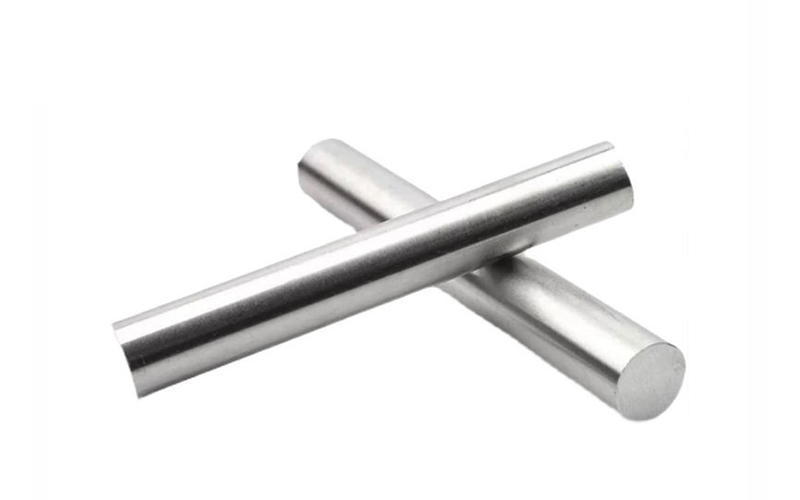
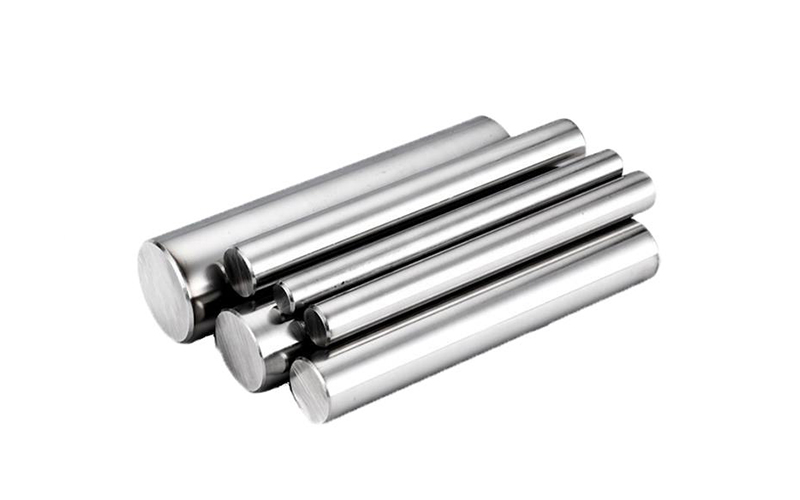
 304/304L Stainless steel bar
 304/304L Stainless steel bar304/304L stainless steel rod is a kind of alloy steel material with pitting resistance, high temperature resistance and high creep strength.
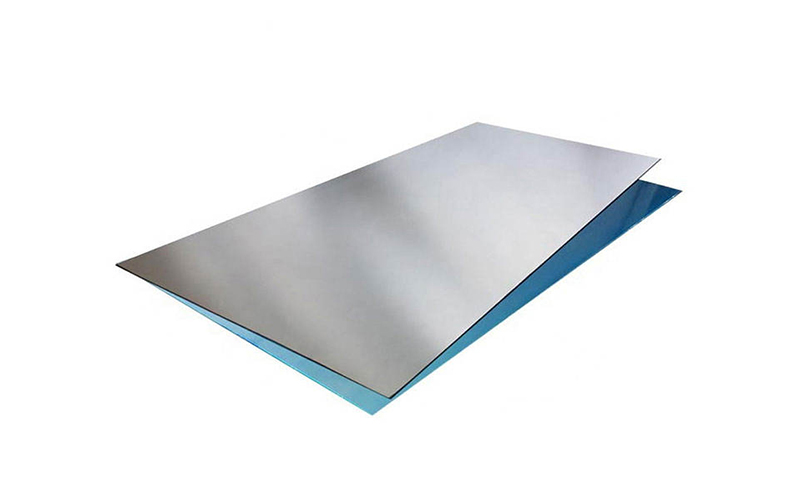
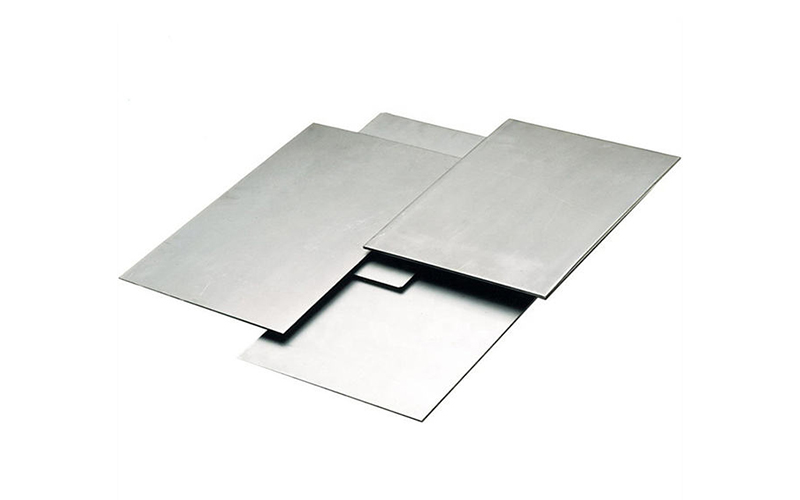
304/304L stainless steel rod is a kind of universal stainless steel material, rust resistance is stronger than 200 series stainless steel material. High temperature resistance is also relatively good, can reach 1000-1200 degrees. 304/304L stainless steel rod has excellent corrosion resistance and good resistance to intergranular corrosion.- 316/316L Stainless steel plate316/316L Stainless steel plate316 / 316L stainless steel plates are part of the austenitic family of stainless steel and is the most widely used varieties of stainless plate. 316 grades contain a higher level of Nickel than 304 giving it an improved corrosion resistance over 304 grades.
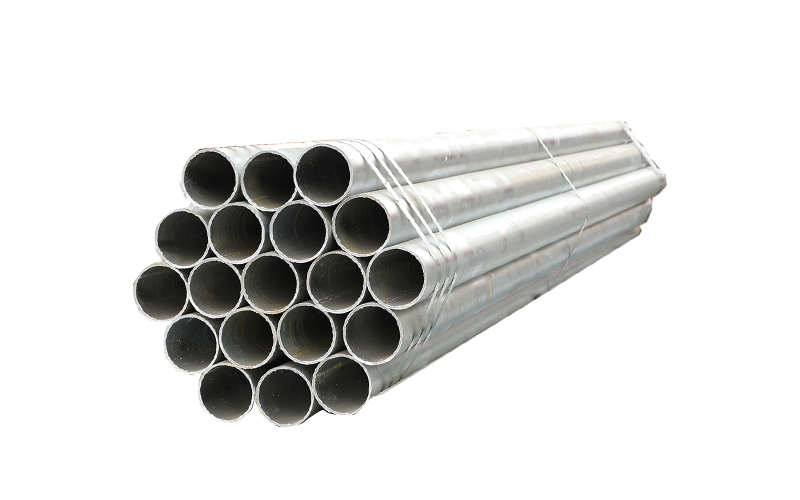
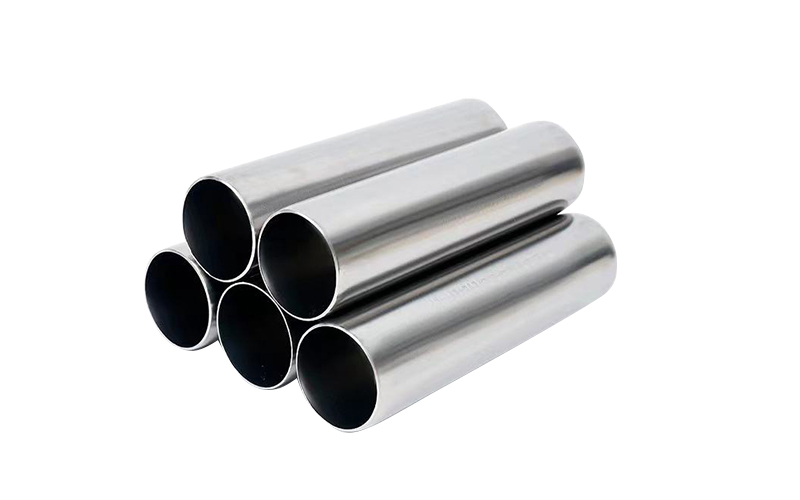
- Stainless steel bright tubeStainless steel bright tubeBright annealed & polished stainless steel tube is charactrized by high quality smooth, bright and clean inside and outside surface, free of oil and grease, precision dimension tolerances, high strength and high corrosion resistance.
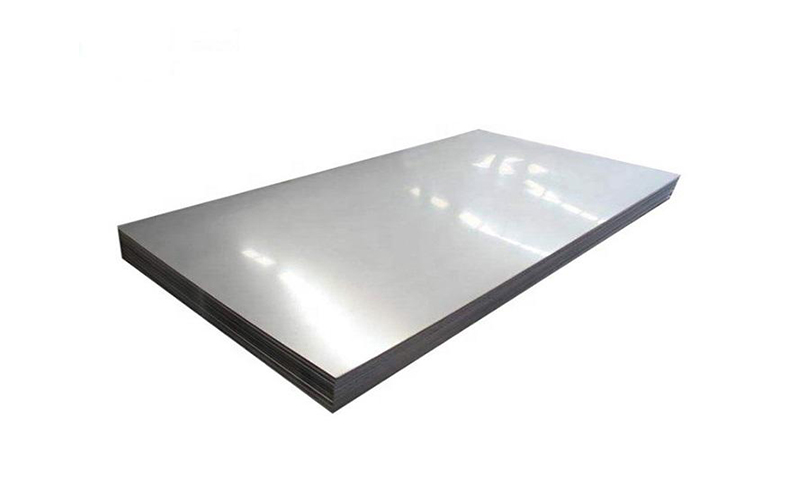
- Cold rolled stainless steel plateCold rolled stainless steel plateCold rolling technology refers to a process whereby steel or stainless steel metals are rolled at room temperature rather than being heated to 1100 degrees Celsius. Rolling steel at room temperature by passing it through rollers enables shaping.
- Stainless steel barStainless steel barStainless steel rods (also known as stainless steel rods, stainless steel rounds, or stainless steel round rods when formed into a solid cylinder, as opposed to square rods) are common construction and decoration materials used in a wide variety of structural and aesthetic industries and applications the goal of.
- 304/304L Stainless steel plate304/304L Stainless steel plate304/304L stainless steel is the most common stainless steel. The steel contains both chromium (between 18% and 20%) and nickel (between 8% and 10.5%)[1] metals as the main non-iron constituents. It is an austenitic stainless steel. It is less electrically and thermally conductive than carbon steel. It is magnetic, but less magnetic than steel. It has a higher corrosion resistance than regular steel and is widely used because of the ease in which it is formed into various shapes.
- 310 Stainless steel pipe310 Stainless steel pipe310 stainless steel pipe generally refers to 310S stainless steel pipe, 310 stainless steel decorative pipe. 310S stainless steel is austenitic chromium-nickel stainless steel with good oxidation resistance, corrosion resistance, because of a higher percentage of chromium and nickel, so that it has much better creep strength, can continue to work at high temperatures, with good high temperature resistance.
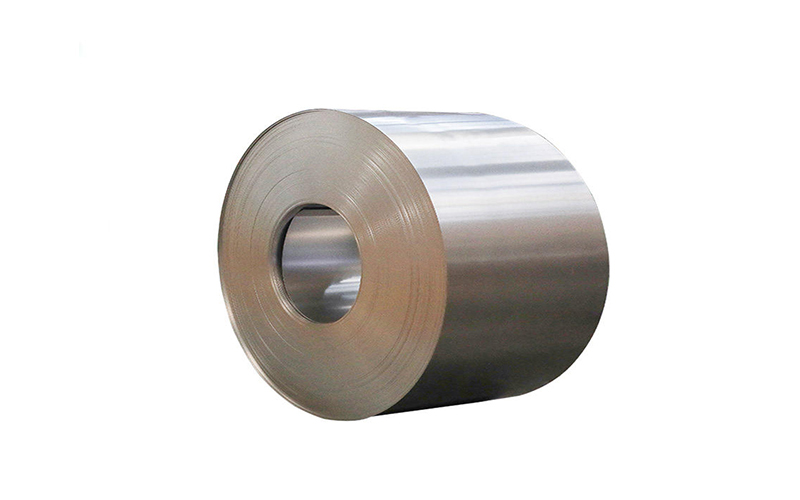
- Stainless steel coilStainless steel coilThe stainless steel coil is a type of metal coil made from stainless steel, which is a corrosion-resistant alloy of iron, carbon, and other elements like chromium, nickel, and molybdenum.

- 1
- 2
- 3
- 4
- Next page>
The definition, classification, role and advantages of stainless steel are as follows:
Definition: Stainless steel is a kind of weak corrosive medium such as air, steam, water or stainless, acid-resistant alloy steel
Classification: There are many types of stainless steel, such as austenitic stainless steel, ferritic stainless steel, martensitic stainless steel, austenitic ferritic (duplex) stainless steel, precipitation hardening stainless steel, etc.
Functions:
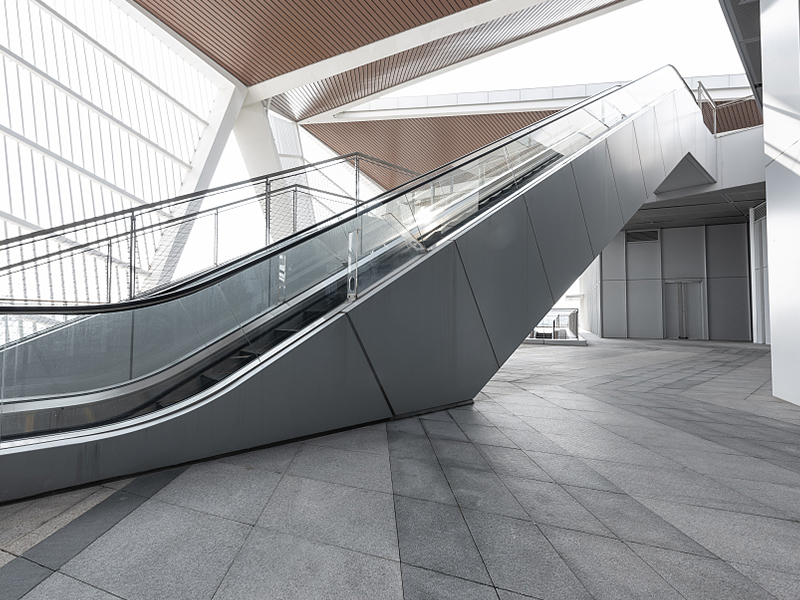
Construction and decoration: often used to make doors and Windows, railings, stair railings, elevator doors, etc.
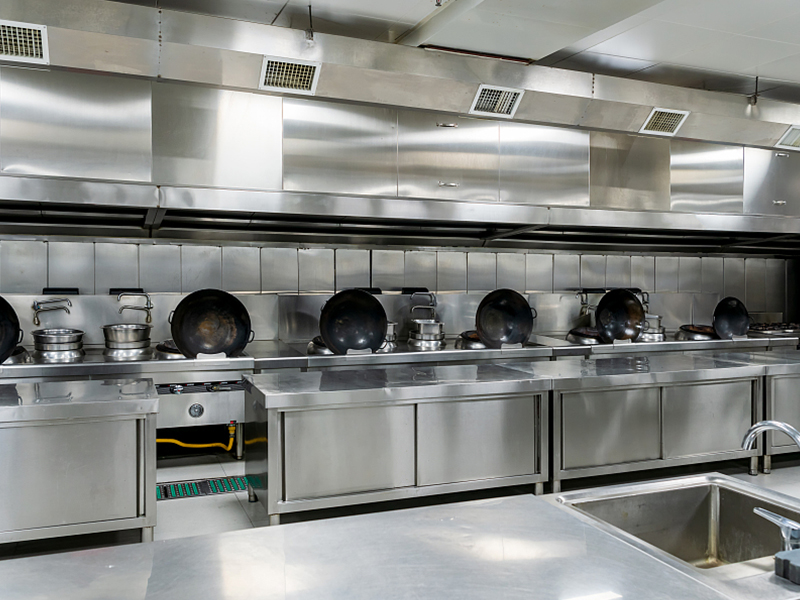
Kitchen utensils: POTS, bowls, knives, stoves, etc.
Medical instruments: surgical instruments, operating tables, operating lights, medical instruments, etc.
Chemical industry: production of storage tanks, pipelines, pumps and other chemical equipment
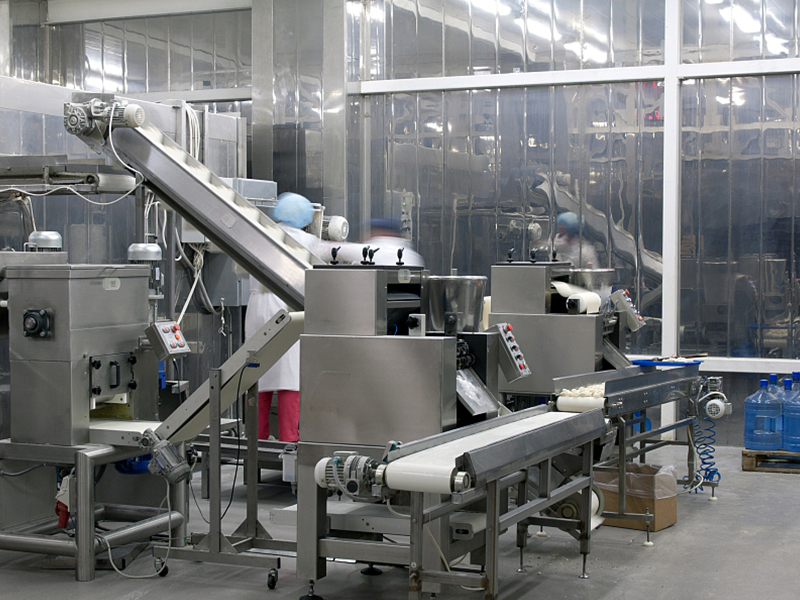
Food processing: food processing equipment such as food mixers, storage tanks, conveyor belts, etc.
Automotive industry: for the production of automobile shell, exhaust system, body parts, etc.
Advantages:
Corrosion resistance: It can resist the erosion of most chemical media, including acid, alkali, salt, etc.
High strength: has a high strength, to meet the needs of different applications
High temperature resistance: Some stainless steel alloys can maintain structural stability and strength at high temperatures
Hygiene: Smooth surface, not easy to attach bacteria and dirt, easy to clean and disinfect
Aesthetics: can be used in architectural decoration, furniture manufacturing and art production fields
Environmental protection: Waste stainless steel can be recycled and reused to reduce resource waste and environmental pollution.
Wear resistance: Maintains its surface integrity and durability under conditions of friction and wear

Get in Touch
*We respect your confidentiality and all information are protected.